
Published October 26, 2026
Marry the House, Date the Interest Rate

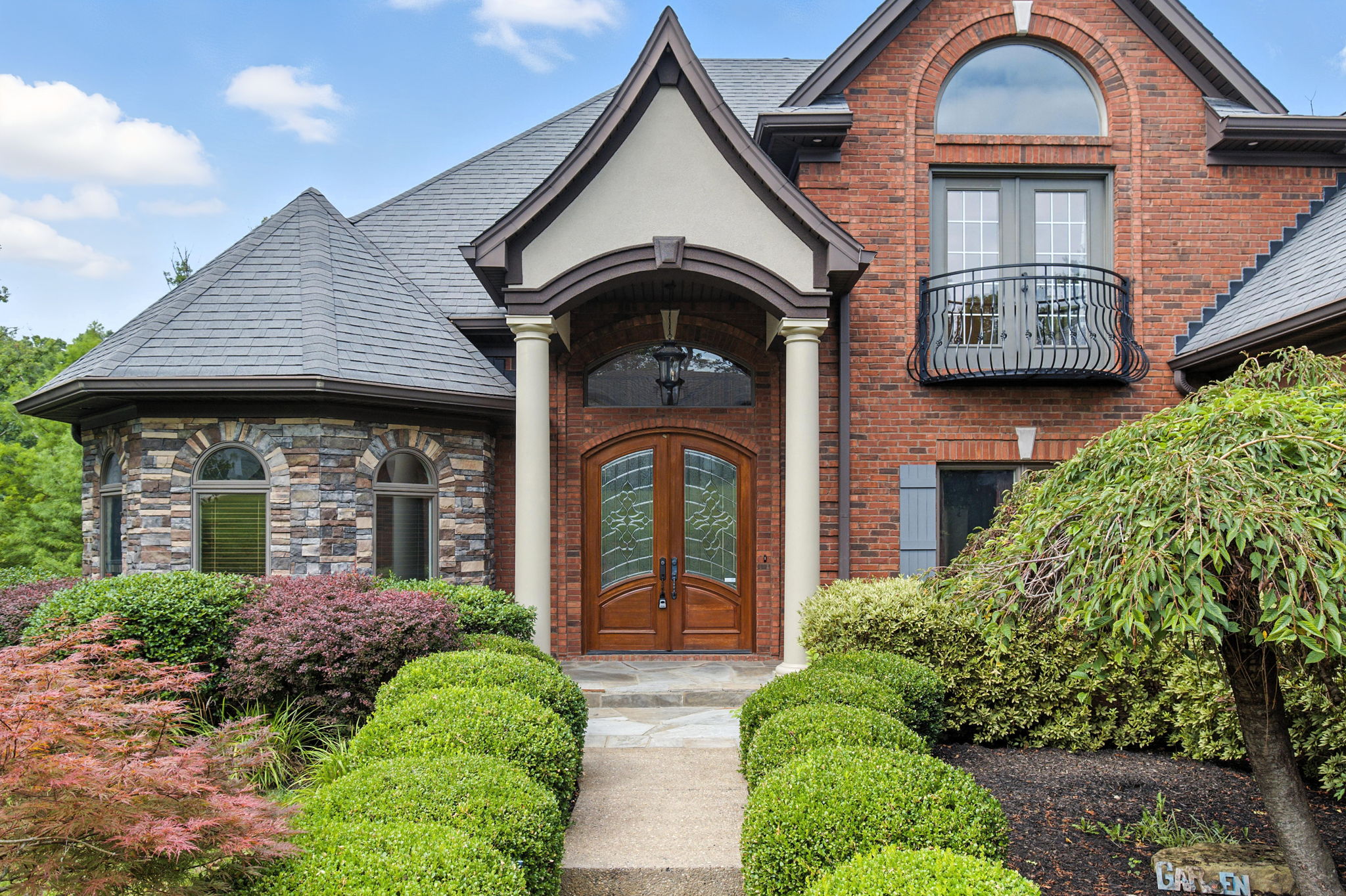
If you’ve been considering buying a home, you’ve probably heard the phrase: “Marry the house, date the interest rate.”
The idea is simple. Choose a home that fits your long-term goals, knowing that you may have an opportunity to refinance your mortgage later.
There is useful perspective behind that advice. Your location, lot, floor plan, and purchase price deserve attention alongside your financing. But the phrase works best with one essential condition:
Buy a home you can comfortably afford at today’s rate. Treat a future refinance as an opportunity, rather than a requirement.
Why the House Deserves Your Long-Term Attention
When you buy a home, you’re choosing more than a monthly payment. You’re choosing your daily surroundings, commute, available space, and the responsibilities that come with the property.
You can update flooring or repaint a room. Changing the location, lot size, or relationship to neighboring properties is a different matter.
That’s why buyers should consider how well a home will serve them over time. Does the layout work? Is the condition manageable? Does the location support the way you live? Is the price justified by comparable properties?
A favorable interest rate cannot make a poorly suited house the right home. Likewise, a home that fits your needs deserves a complete evaluation even when financing costs are higher than you would prefer.
What “Dating the Rate” Actually Means
Your mortgage does not necessarily have to remain the same for your entire ownership period.
Refinancing replaces an existing mortgage with a new loan. Depending on the terms available, it may allow you to reduce your interest rate, change your loan term, or lower your monthly payment. Refinancing typically involves closing costs and fees.
That flexibility is what the phrase captures.
However, there is no guaranteed timetable for lower rates, and refinancing requires approval under the applicable loan requirements. Your income, credit, debts, and other financial circumstances can affect your ability to obtain financing.
The practical question is: Would this purchase still work for you if you kept the original mortgage for years?
If the answer is yes, a future refinance could improve an already manageable situation.
Look Beyond the Advertised Rate
When comparing financing, evaluate the total monthly payment and the cash required to close.
Principal and interest are only part of the picture. Property taxes, homeowners insurance, and any applicable mortgage insurance or association fees also affect affordability. Compare lender offers using those costs alongside upfront fees and lender credits.
Leave room in your household budget for maintenance, repairs, savings, and the things you enjoy doing.
Buying a home should support your life. A payment that leaves you stretched every month can make even a beautiful property difficult to enjoy.
A Lower Rate Should Still Pass the Math Test
If refinancing becomes available, compare the savings with the cost of obtaining the new loan.
For example, suppose a refinance costs $6,000 and reduces your monthly principal-and-interest payment by $250. A simple calculation puts the payment-savings break-even point at 24 months.
That is a starting point for analysis. You should also compare the remaining loan term, the new loan balance, and total interest costs. A lower payment can partly result from extending repayment over more years, rather than from the interest rate reduction alone.
How long you expect to keep the home and the new mortgage matters, too.
Keep the Purchase Price in Perspective
The interest rate receives plenty of attention because it directly affects the payment. But purchase price, property condition, and immediate repair needs also shape the financial outcome.
A future refinance will not erase an excessive purchase price or an overlooked repair bill.
For buyers in Louisville and Southern Indiana, the goal should be to evaluate the complete purchase: the home’s suitability, its value compared with competing properties, its condition, and financing that works within your budget.
Waiting may be appropriate when the numbers do not work. Buying may be appropriate when the right property and a sustainable payment come together. Neither decision needs to depend on predicting the next rate movement.
Choose the Home and Financing Together
“Marry the house, date the interest rate” is a useful reminder to think beyond today’s mortgage terms. It should also encourage a thoughtful purchase that can stand on its own.
Choose a home you can see yourself enjoying, pay a price supported by the market, and secure financing you can manage today. Then revisit your mortgage if a worthwhile opportunity becomes available.
At Parkside Realty and Covet Realty, we help buyers evaluate both lifestyle fit and investment fundamentals. If you’re weighing a purchase in Louisville or Southern Indiana, we’d welcome the opportunity to help you compare your options and make a confident, informed decision.